
Stress is part of life. A deadline, family change, health concern, financial problem, or busy season can put extra pressure on your mind and body. National Stress Awareness Day offers a useful reminder to notice that pressure before it starts to take over. Family Care Center provides therapy and counseling for people who want support with stress, life changes, anxiety, and other mental health concerns.
Feeling stressed does not mean you have a mental health condition. Stress is a natural physical and emotional response to a challenge. It may lead to worry, irritability, muscle tension, headaches, trouble sleeping, or difficulty focusing. These reactions often ease when the stressful situation passes. When stress lasts for a long time or begins to disrupt daily life, it may be time to adjust your coping strategies or ask for help.
What healthy stress management can look like
Managing stress is not about removing every challenge from your life. That is rarely possible. The goal is to notice stress earlier and respond in ways that support your health. Small habits can be easier to maintain than major changes made all at once.
The following eight ideas can help you build a practical stress-management plan. You do not need to use every strategy. Start with one or two that fit your needs and routine.
1. Notice what triggers your stress
It is easier to manage stress when you know what tends to set it off. Common stressors can include work demands, caregiving, relationship conflict, money concerns, health problems, and major life changes.
Pay attention to patterns. You might notice that your shoulders tighten before a difficult meeting. You may become short-tempered when your schedule is too full. You might sleep poorly when money worries are on your mind.
A short journal can help you track what happened, how you felt, and what helped. Over time, this may show which situations create the most pressure.
2. Protect basic routines when life gets busy
Stress can disrupt the habits that help you function well. You may stay up later, skip meals, stop exercising, or fill every free moment with tasks. Over time, that can make a hard period feel even harder.
Try to protect a few basic routines:
- Sleep — Keep a regular sleep and wake time when possible.
- Meals — Eat regular meals and stay hydrated throughout the day.
- Breaks — Give yourself short periods without work, chores, or screens.
- Planning — Choose a few realistic priorities instead of trying to finish everything at once.
A routine does not have to be perfect. Keeping one or two steady habits may provide useful structure.
3. Make room for regular movement
Physical activity can support both physical and emotional health. You do not need a difficult workout to get started. Walking, stretching, gardening, dancing, swimming, or another activity you enjoy can count.
If a long workout does not fit your day, use smaller blocks of time. A short walk or a few minutes of stretching may be easier to repeat. Choose activities that fit your health and ability level.
4. Practice a short calming skill
Stress can make your thoughts feel fast and your body feel tense. A brief relaxation practice may help you slow down enough to choose what to do next.
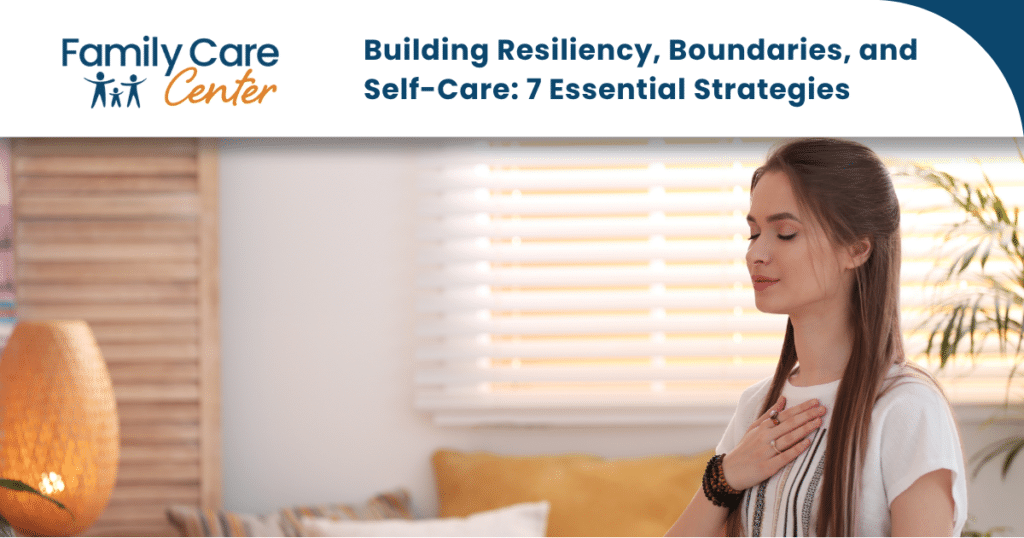
One simple option is mindful breathing. Sit or stand in a comfortable position. Notice your normal breath without trying to force it. If your attention wanders, gently bring it back to breathing. You can also try stretching, meditation, or a short grounding exercise.
Mindfulness does not mean ignoring a problem or forcing yourself to feel calm. It means paying attention to the present moment with less judgment. Even a short pause can create space between a stressful feeling and your next response.
5. Set limits before your schedule becomes overloaded
Some stress comes from having more demands than you can reasonably manage. Healthy boundaries can help you decide what you can take on and what may need to wait.
This can be as simple as saying, “I cannot add that today,” or asking for more time before agreeing to a request. At work, it may mean talking with a supervisor about competing deadlines. At home, it may mean sharing chores or protecting time for rest.
Setting limits may feel uncomfortable, especially if you are used to helping everyone else first. Boundaries are not a way to avoid responsibility. They can help you use your time and energy in a more realistic way.
6. Stay connected instead of carrying stress alone
Stress can make people pull away from others, especially when they feel tired or overwhelmed. Yet supportive relationships can offer perspective and practical help.
Talk with someone you trust about what is weighing on you. You may want someone to listen, help with a task, or spend time with you away from the stressor. Support can come from friends, relatives, coworkers, community groups, or a mental health professional.
7. Give your attention a real break
Scrolling, checking email, watching the news, or thinking about unfinished work can make it hard to feel off duty. A break works best when your attention actually moves away from the source of stress.
Choose something restorative, such as reading, music, time outside, or a hobby. You may also limit news or social media when constant updates make you feel more tense. Seasonal demands can add pressure too, so strategies for managing holiday stress may be useful as November moves toward the holidays.
National Stress Awareness Day can be a good time to review how much recovery time exists in your week.
8. Ask for professional support when stress keeps interfering
Self-care strategies can be helpful, but they are not a replacement for mental health care when symptoms are lasting or severe. Consider talking with a professional if stress is making it hard to sleep, focus, work, maintain relationships, or complete normal responsibilities.
Individual counseling can help you identify stress patterns and practice healthier ways to respond. A therapist can also help determine whether symptoms may be connected to anxiety, depression, an adjustment disorder, or another mental health condition. That distinction matters because ongoing worry, sadness, or sleep problems should not automatically be labeled as “just stress.”
You do not have to wait until you feel completely overwhelmed to ask for help.
When stress may be more than a difficult week
Stress often improves when a challenge ends or when you have time to recover. It may be worth talking with a health or mental health professional when symptoms continue, grow stronger, or interfere with your usual activities.
Signs that extra support may be useful can include ongoing sleep problems, frequent irritability, trouble concentrating, withdrawing from people you care about, or using alcohol or other substances more often to cope. These signs do not point to one diagnosis. A professional can help you look at the full picture.
If you already receive mental health care, tell your provider when stress or symptoms change. Your treatment plan may need to be reviewed during demanding periods.
Build a plan to manage stress
A useful stress plan should be simple enough to follow on a hard day. Pick two or three actions, such as taking a short walk, calling someone you trust, or protecting your normal bedtime. Ask what is within your control today, what can wait, and who can help. Your plan can change as your needs change.

How Family Care Center can support healthier ways to manage stress
National Stress Awareness Day can be a reminder to check in with yourself, but stress deserves attention throughout the year. If stress is lasting, affecting daily life, or becoming hard to manage on your own, Family Care Center can help you explore what is happening and what support may be useful.
Our clinicians offer individual therapy and other mental health services based on each person’s needs. Therapy can provide space to identify stressors, work on coping skills, set realistic goals, and address mental health symptoms when they are present.
You can connect with our team to request an appointment and learn what services may fit your needs.